


TFT Set 17: Space Gods Is Live — Everything You Need to Know About Teamfight Tactics’ Cosmic New Era
TFT Set 17: Space Gods Has Finally Arrived
Teamfight Tactics has officially entered a new era with Set 17: Space Gods, which launched with patch 17.1 on April 15, 2026. Riot’s newest set pushes TFT into a full cosmic fantasy, mixing divine boons, galactic champions, and a major system shake-up that changes how every lobby begins.
This is not just another set with a fresh coat of paint. Space Gods immediately feels different because Riot built the set around divine choice, long-term rewards, and a more dramatic early-game flow. From the theme to the mechanics, everything about Set 17 is designed to feel bigger, louder, and more memorable than a standard rotation.
For players who love that first-week TFT energy, this set has all the ingredients to hit. The fantasy is huge, the trait lineup is flashy, and the set mechanic gives every game a strong identity from the moment the first offerings appear.
The Biggest Change in TFT Set 17 Is The Realm of the Gods
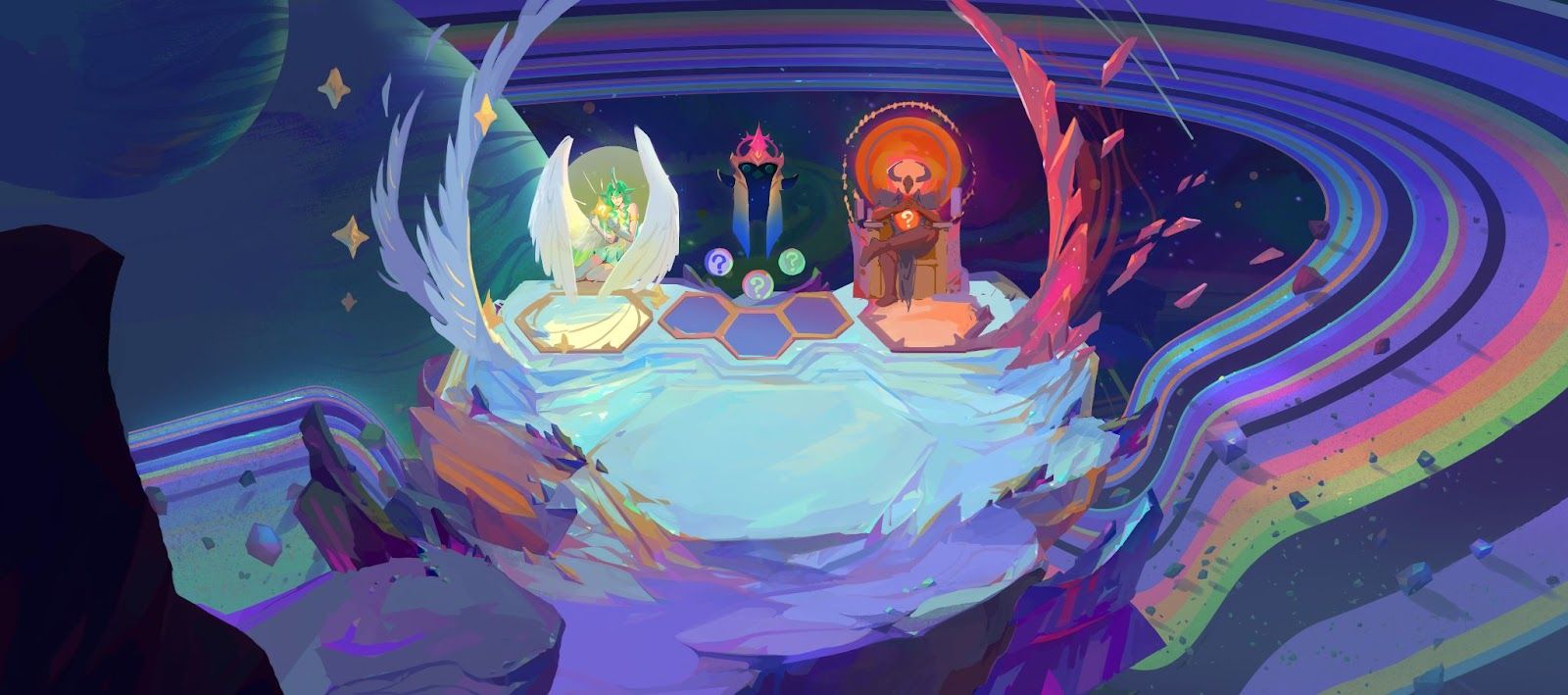
The headline feature of TFT Set 17: Space Gods is The Realm of the Gods, a set mechanic that replaces the Carousel. Instead of running to grab an item from the middle, players are offered a choice between two Gods, plus a weaker generic option from Pengu, and every God offering comes with a component.
That decision matters far beyond the opening rounds. On Stage 4-7, the God you aligned with offers a Boon through an armory-style reward, and that same God continues to drop loot periodically for the rest of the game. Riot also kept the comeback angle that Carousel used to provide: players who are lower on HP receive stronger Pengu offerings, including higher-cost units and component anvils during PvE.
That is what makes Space Gods feel like such a big shift. TFT is no longer just asking what opener you hit or what items you slammed. Now it is also asking a much more dramatic question: which God are you trusting to shape your game?
Meet Every God in TFT Set 17: Space Gods
One of the smartest things about Set 17 is that Riot did not treat the Gods like background flavor. They are the center of the set’s identity, and each one pushes players toward a different style of game. That makes them perfect for both gameplay variety and article structure, especially if you want to pair each section with key art or official images.

Soraka, the God of Stars
Soraka is the God tied to HP management and survival. Riot positions her as a strong choice for players who are trying to stabilize rough openings or make a lose-streak game plan work without completely falling apart.
She feels like the safety-net God of the set, the kind of pick that can help turn a shaky early game into something playable. If your board is weak but your plan is still alive, Soraka looks like the kind of divine backup you want watching over your run.
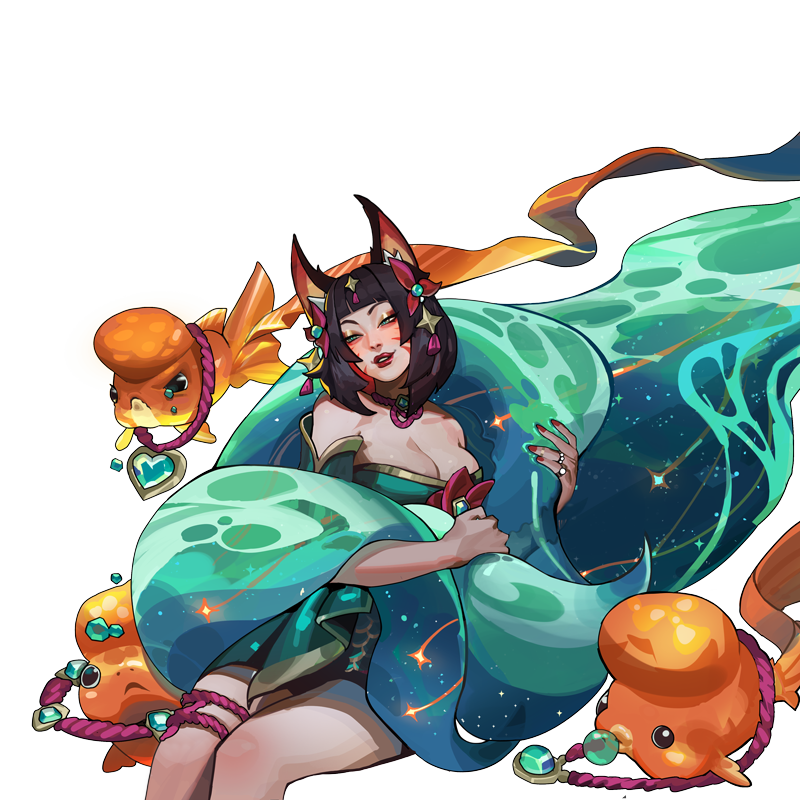
Ahri, the God of Opulence
Ahri is all about economy. Riot describes her as the God for players who want extra gold to chase three-star boards or push aggressively toward higher levels and expensive late-game units.
That makes her one of the cleanest scaling choices in Space Gods. Ahri has the kind of identity TFT players immediately understand: more econ, more flexibility, and more chances to hit the board you actually want.
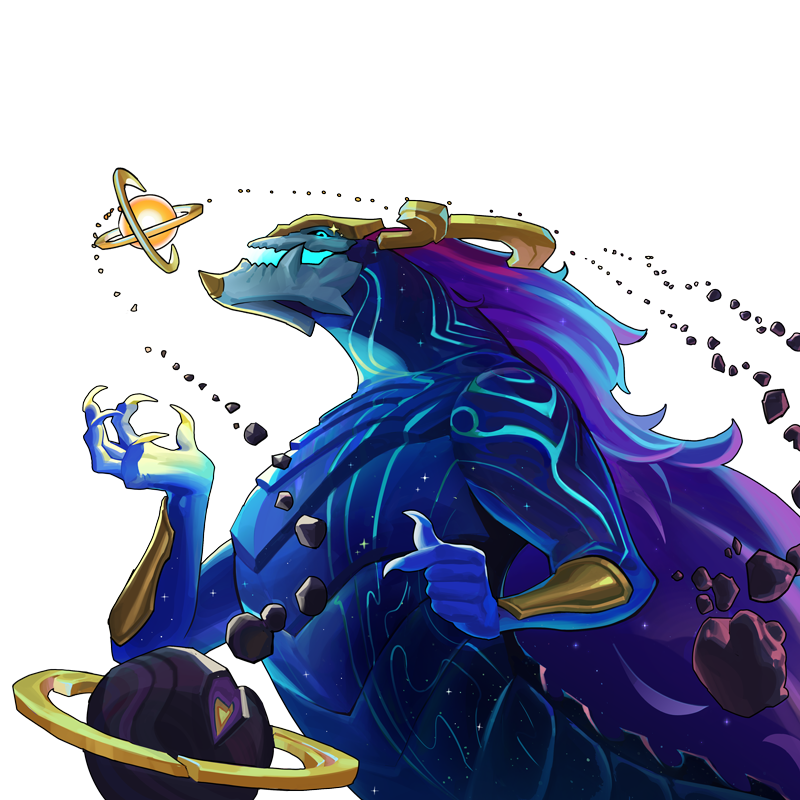
Aurelion Sol, the God of Wonders
Aurelion Sol brings a more demanding style to the set. Riot says he wants players to work for his boons, framing him as a God built around quests and earned rewards rather than easy value.
That gives him a high-stakes, cosmic-grandeur feel that fits the set perfectly. He is not the easy option, but he may be one of the most satisfying for players who like challenge, planning, and payoff.
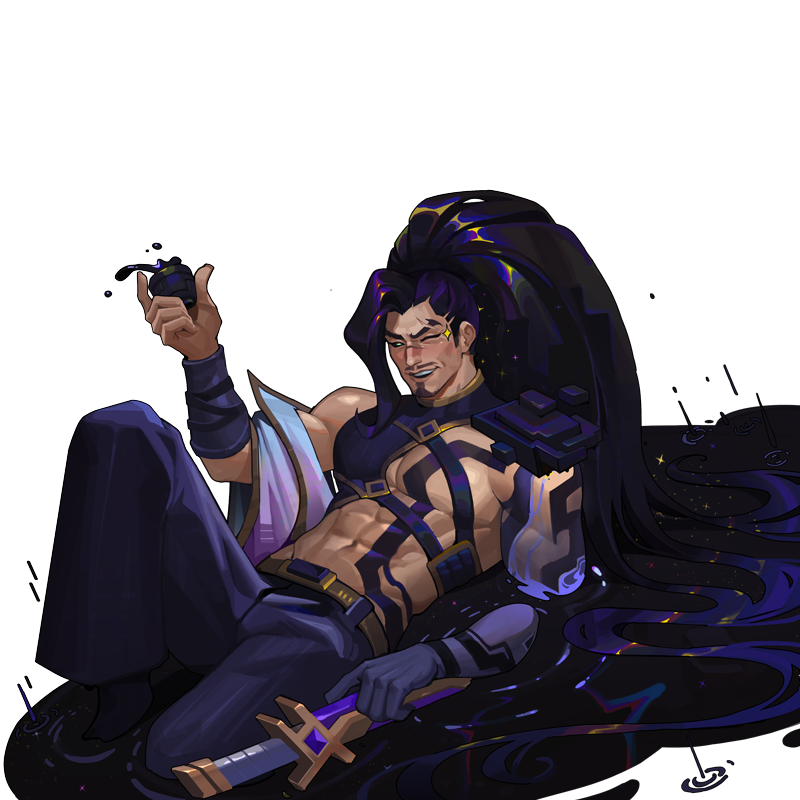
Yasuo, the God of the Abyss
Yasuo is the God focused on empowering hexes. Riot specifically ties him to combinations of units and positioning, making him a natural fit for players who love squeezing value out of board placement and tactical setups.
In a set full of dramatic choices, Yasuo looks like the God for players who want skill expression to matter. He is less about simple raw value and more about turning the board itself into part of your win condition.

Varus, the God of Love
Varus is designed around giving players more board options. Riot says he offers everything from 3-cost to 5-cost units, and even teases that he can increase 5-cost odds.
That makes Varus feel like one of the flashiest Gods in the set. He is the kind of choice that speaks directly to players who want bigger upgrades, more premium unit access, and the feeling that their late game might explode into something absurd.
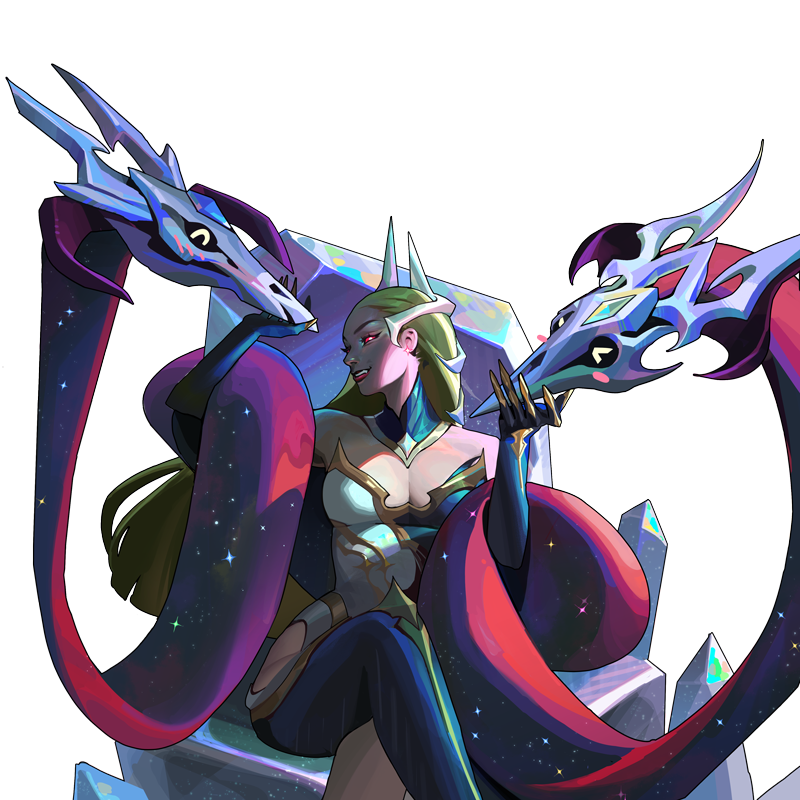
Evelynn, the God of Temptation
Evelynn is pure risk versus reward. Riot describes her as a God for players willing to give up things like Tactician health or even access to their shop in exchange for stronger value.
That immediately makes her one of the most dangerous and exciting divine picks in Set 17. Evelynn is not built for cautious players. She is built for the kind of TFT games that feel reckless, greedy, and unforgettable when they work.
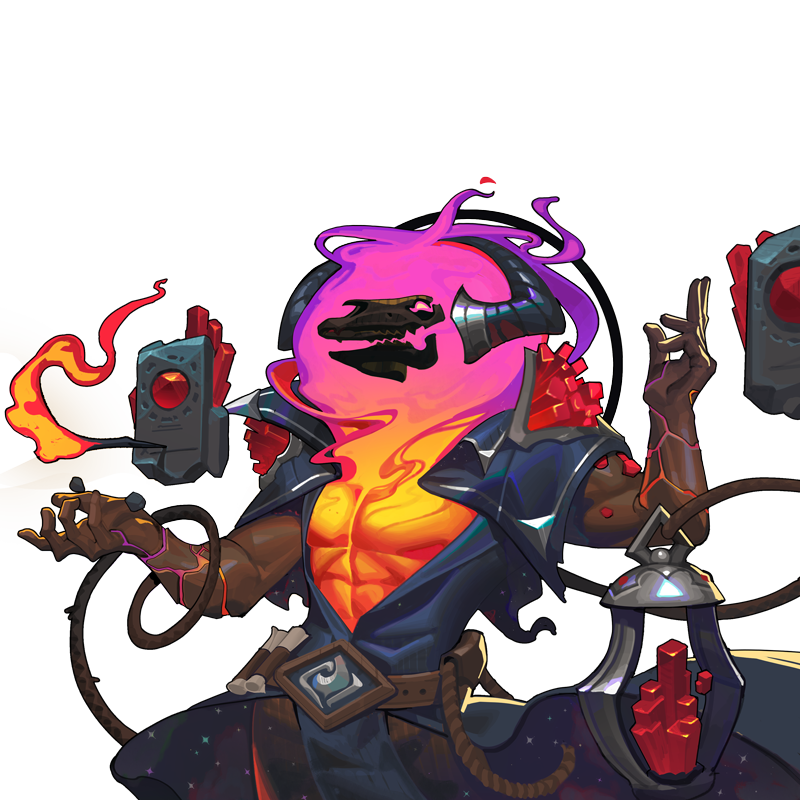
Thresh, the God of Pacts
Thresh is the wildcard of the divine lineup. Riot says he offers random Boons from other Gods along with a bit of extra gold, which gives him a chaotic, unpredictable identity compared with the more specialized Gods.
He feels like the perfect pick for players who enjoy gambling on upside. Thresh is less about control and more about the fun of not knowing exactly how your blessings will unfold until the game starts paying you back.
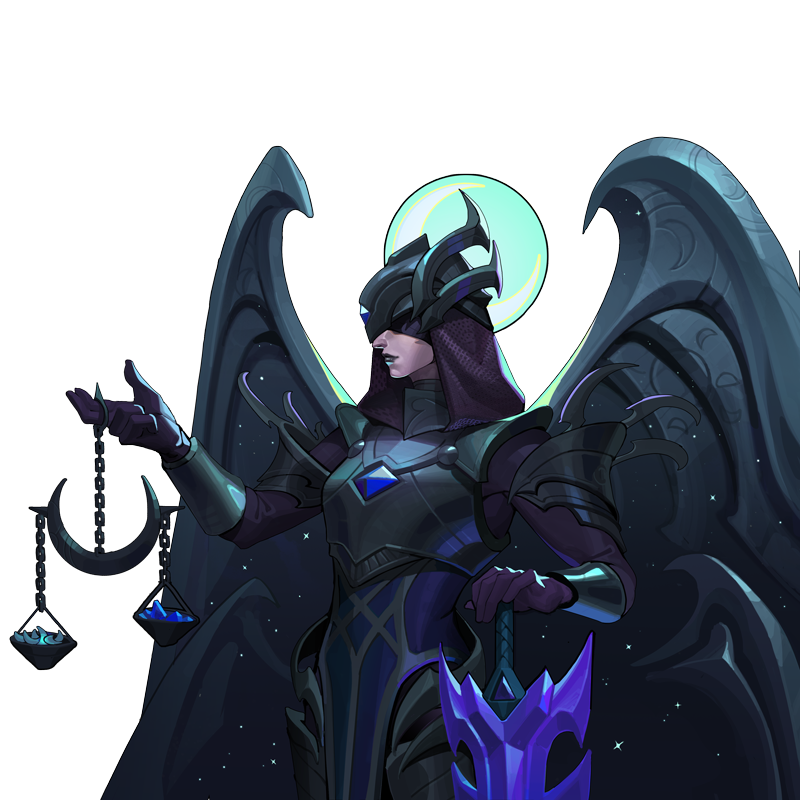
Kayle, the God of Order
Kayle is the most straightforward God in the set. Riot is very clear about her identity: items. That is what she offers, and that is what makes her appealing.
In a mechanic full of flashy personalities, Kayle’s clarity is a strength. She looks like the ideal option for players who want stable value, clear item direction, and fewer gimmicks between them and a strong board.
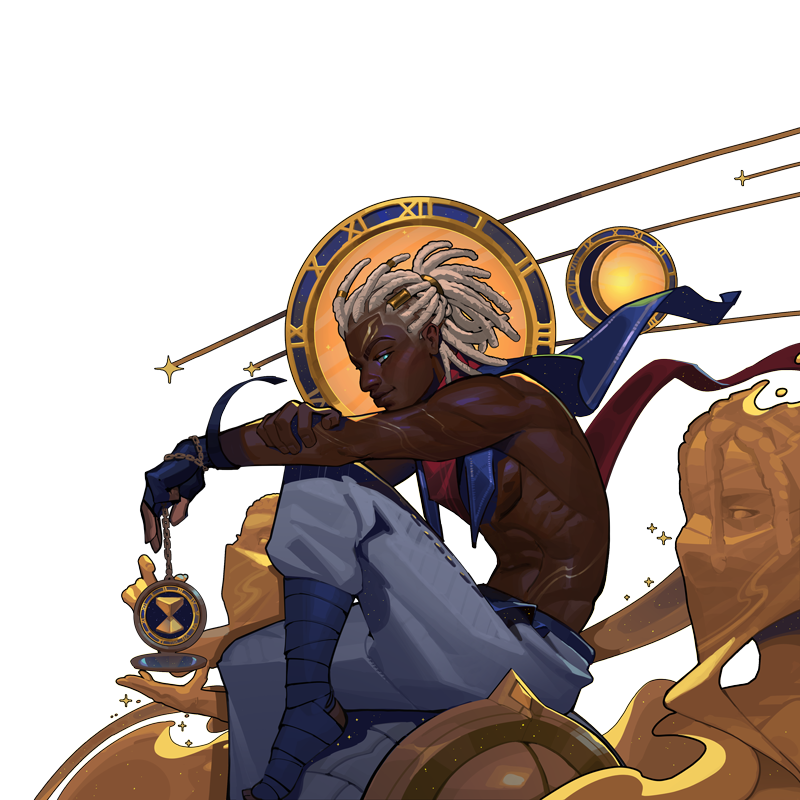
Ekko, the God of Time
Ekko brings some of the strangest rewards in the set. Riot says his favors can include units, Artifacts, and even temporary Scuttle Crabs, giving him one of the most playful and unpredictable identities among the nine Gods.
That makes Ekko feel perfect for players who want their TFT matches to get weird fast. He has the kind of chaotic charm that can turn a normal game into a story.
Best New Traits to Watch in TFT Set 17
The God mechanic may be the main headline, but Space Gods is also packed with traits that feel made for highlight reels. Riot’s overview makes it clear that Set 17 is leaning into spectacle, flexibility, and boards that do something memorable instead of just stacking stats.
Anima Brings a Risky, Snowballing Lose-Streak Playstyle
Anima is the dedicated lose-streak trait of the set. After losing player combat, you gain Tech, and the amount scales with the length of your loss streak. Anima units also gain Tech through takedowns, and every 100 Tech unlocks Anima Weapons, creating a choice between cashing out early or saving for stronger rewards later.
That makes Anima one of the most exciting traits in the set for players who love greed, economy pivots, and those classic TFT games where a weak start turns into a terrifying mid-game spike.
Dark Star Looks Built for Pure Hype
Dark Star may end up being one of the most talked-about traits in Set 17 because Riot says it creates a black hole that consumes enemies at 10% max health. The more Dark Stars you play, the stronger the effect becomes, and Riot says the prismatic version can consume everyone.
That is exactly the kind of fantasy TFT players remember. Dark Star does not just sound strong. It sounds dramatic, unfair-looking, and perfect for the kind of late-game fight that gets clipped instantly.
Meeple Feels Like Peak TFT Chaos
Then there is Meeple, one of the most instantly memorable traits in the set. Meeples attract Meeps that empower their abilities, and at the 7-unit breakpoint they can begin cloning on your bench. At the prismatic breakpoint, Riot says players can summon the four MeepLords.
That is absurd in exactly the right way. Meeple feels custom-built for players who want their boards to look silly, overwhelming, and somehow unstoppable all at once.
Stargazer and Timebreaker Could Become Meta Favorites
Two other standout traits are Stargazer and Timebreaker. Riot says Stargazer charts a different constellation every game, with seven constellations total. Their example, The Serpent, grants durability on empowered hexes while letting Stargazers repeat part of the damage dealt as magic damage over time.
Timebreaker, meanwhile, looks incredibly flexible. At its base breakpoint, it grants free rerolls when you lose or XP when you win, and higher breakpoints add attack speed. Riot explicitly frames it as a trait that can help with reroll comps or fast-leveling strategies, which gives it serious ladder potential.
Space Gods Also Comes With Important System Changes
Patch 17.1 did more than launch the new set. Riot also shipped several system updates that could matter a lot once the meta settles. Level 7 shop odds changed from 16/30/43/10/1% to 19/30/40/10/1%, slightly increasing the odds of hitting lower-cost units at that level.
Riot also adjusted the loot flow around the new God mechanic. The number of components dropped on Stage 3-7 was reduced by one, while Stage 4-7 was replaced by a special God Blessing round that grants 1–3 components.
Another major change affects surrendering. Riot says that when a player surrenders in Space Gods, the fight now continues to play out instead of ending instantly, and the surrendering player is placed below other players regardless of the combat result.
There is also a small but notable future-facing update: Riot says Encounters are not in patch 17.1, but they are scheduled to return in patch 17.2.
Why TFT Set 17 Feels Like a Big Moment for the Game
The best TFT sets do more than rotate champions and traits. They create a new mood. Space Gods absolutely looks like one of those sets.
It has a bold theme, a mechanic that changes the pace of every lobby, and a divine roster that gives each match more identity from the start. Based on Riot’s official overview and patch notes, Set 17 is clearly built around memorable choices, stronger visual fantasy, and enough variation to keep games feeling fresh.
That is why this launch feels bigger than normal. Riot is not just refreshing TFT. It is selling a full cosmic power fantasy, and the design of Space Gods suggests it wants every match to feel like a story.
Final Thoughts on TFT Set 17: Space Gods
TFT Set 17: Space Gods has all the ingredients to dominate the conversation: a huge theme, a major gameplay overhaul, nine distinct Gods, and traits that sound built for clips, comebacks, and chaotic top-four runs. The set is live now in patch 17.1, and Riot’s official material makes it clear this is one of the most identity-driven TFT launches in recent memory.
If you have been waiting for a reason to dive back into ranked, this might be it. The stars are open, the Gods are watching, and Space Gods already feels like the kind of set players will be talking about for a long time.